Stories and analysis filed under Django web framework.
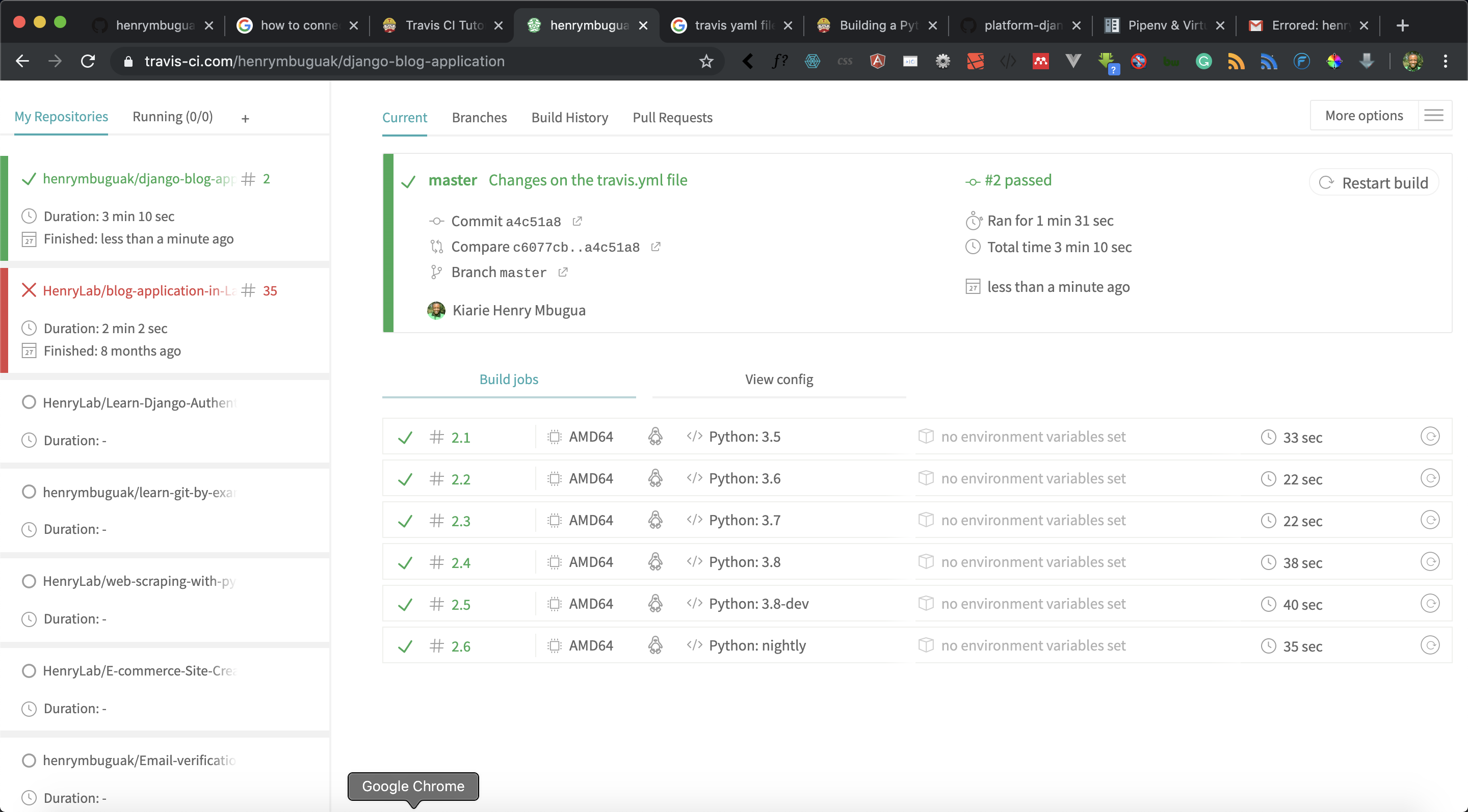
16 storiesConnect a Django 2.2 GitHub repository to Travis CI so your test suite runs on every push, and catch failing tests before they reach production.
Gather requirements as user stories, learn how functional tests differ from unit tests, and start the Django 2.2 blog that you build with TDD.
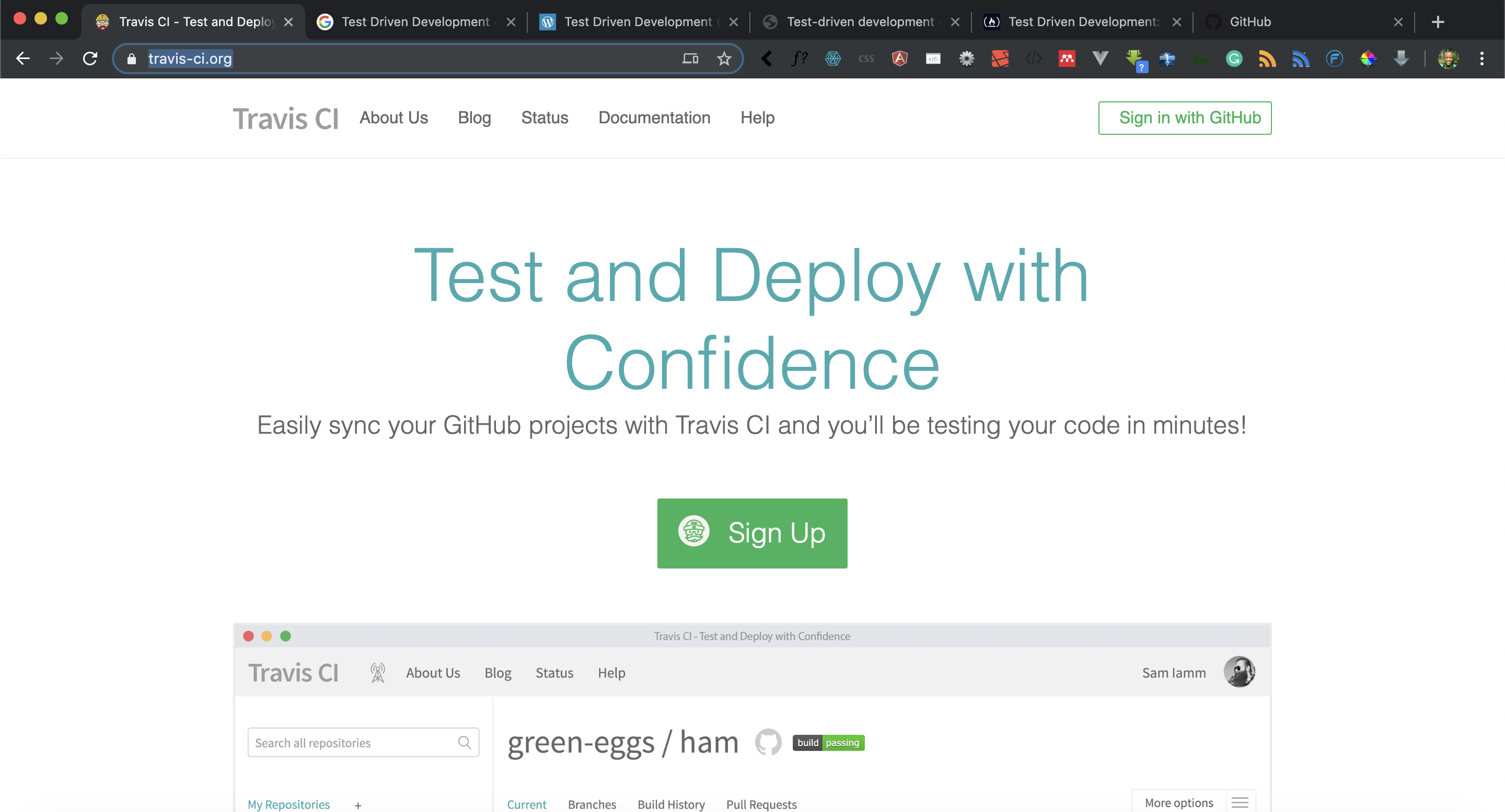
Learn what test-driven development is and why writing failing tests first helps you build Django applications that keep working as they change.
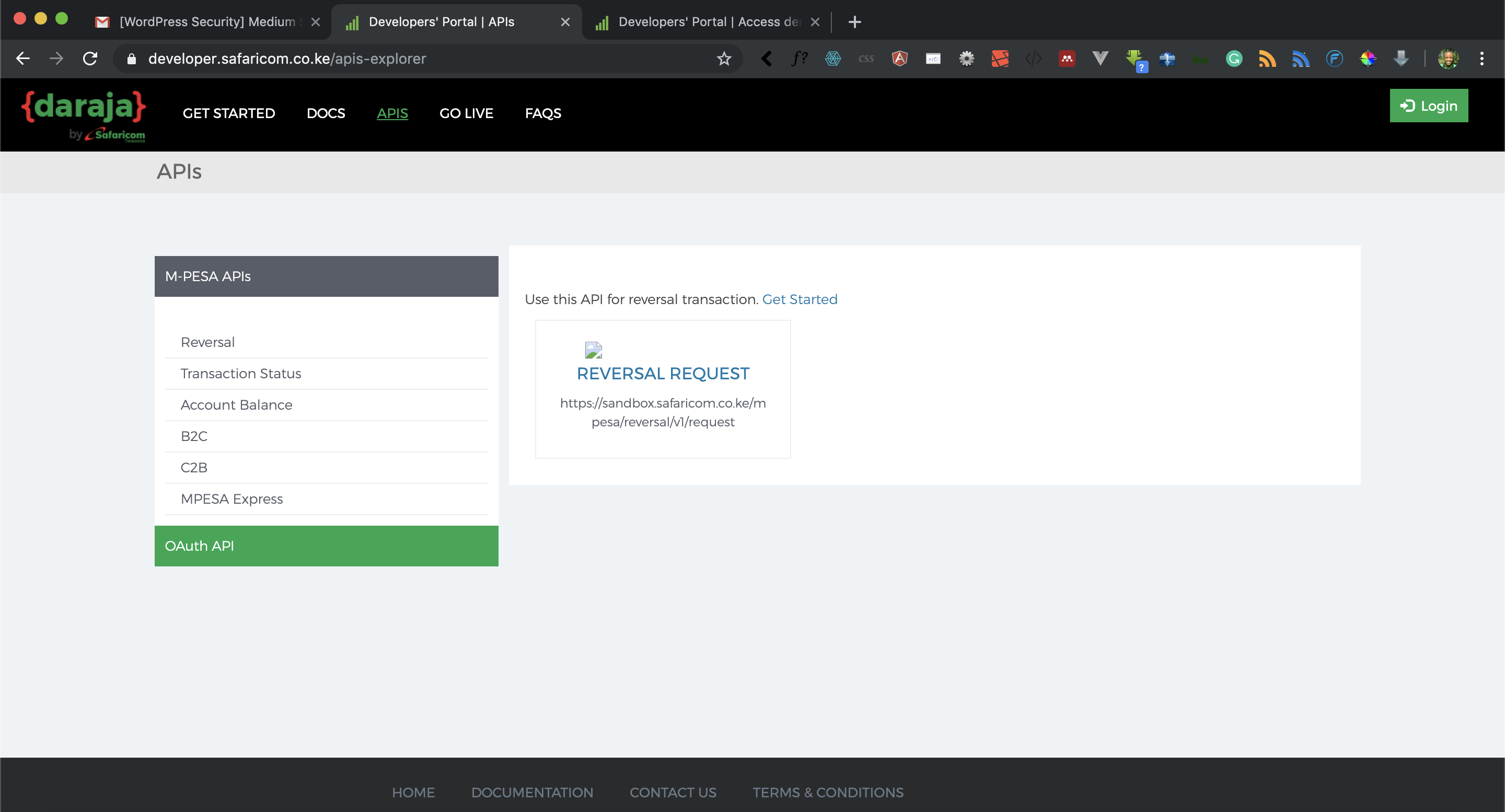
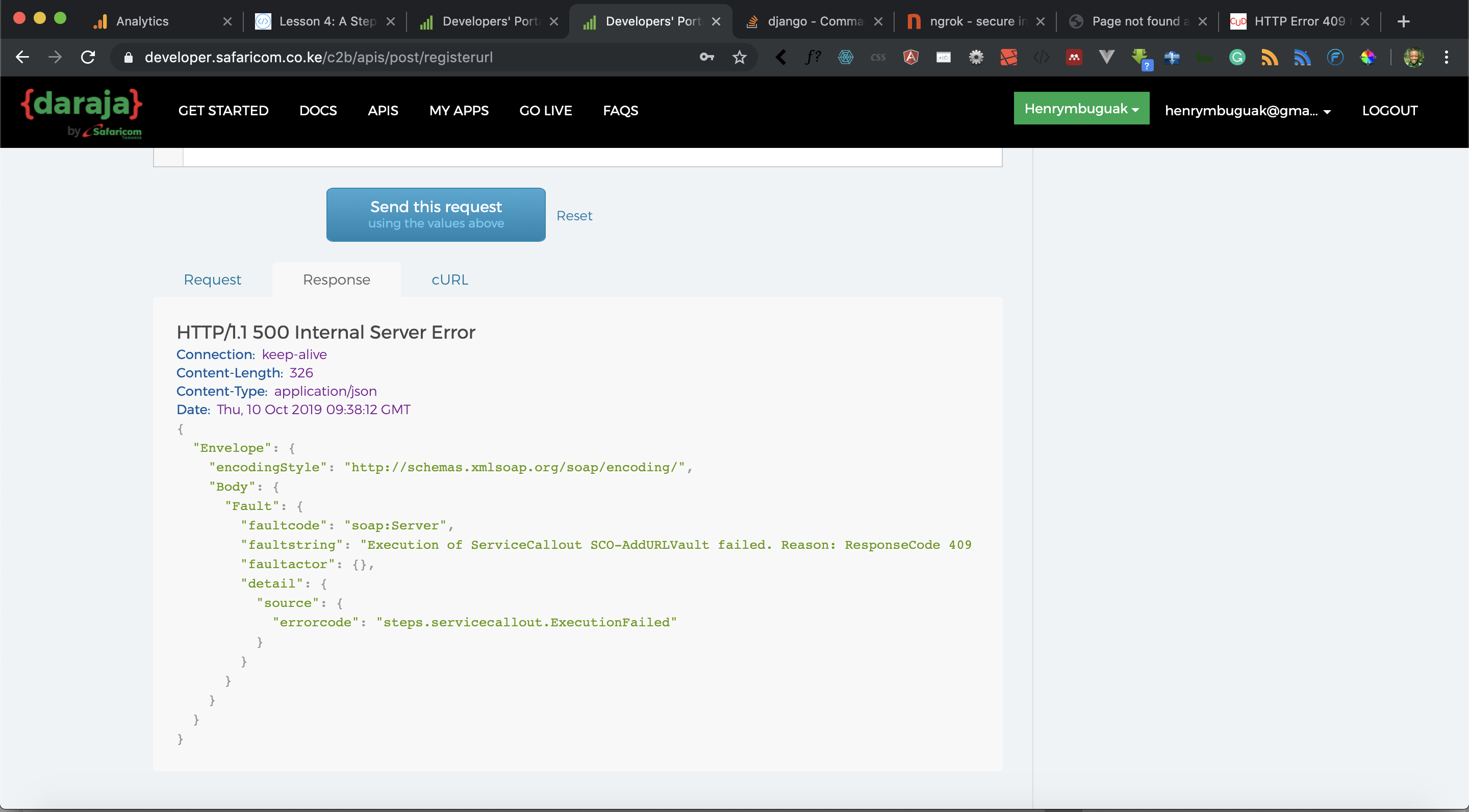
Fix the 409 conflict error that M-Pesa returns when you register C2B confirmation and validation URLs on the Safaricom Daraja sandbox from Django 2.2.
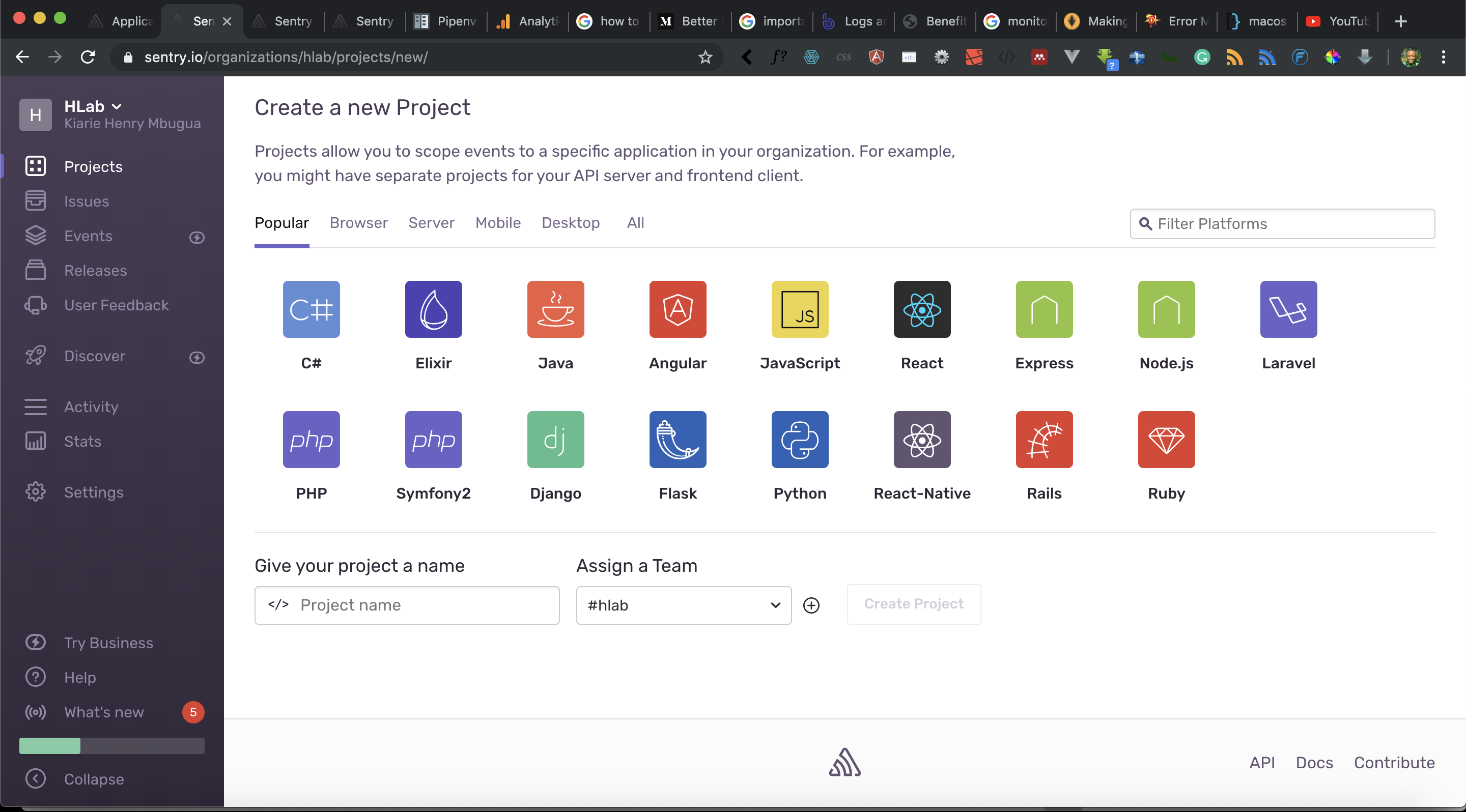
Add Sentry to a Django web application to catch, track, and prioritize production errors in real time, instead of waiting for users to report them.
Register M-Pesa C2B confirmation and validation URLs on the Safaricom Daraja API from Django 2.2, and build the views that receive payment callbacks.
Create the Django 2.2 models and migrations that store M-Pesa payments, and start building a customer-to-business (C2B) integration on Daraja.
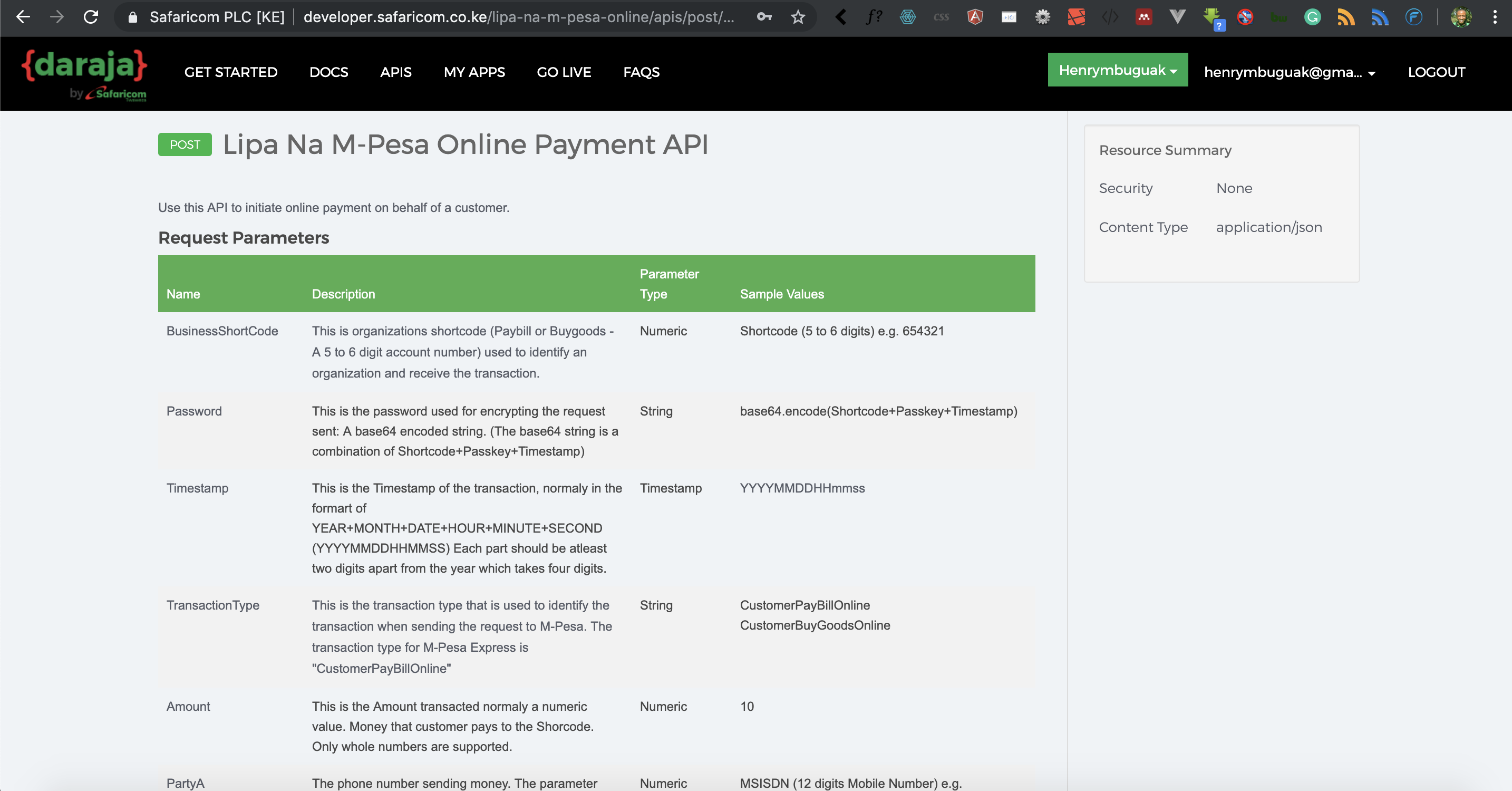
Send an M-Pesa STK push (Lipa na M-Pesa Online) payment request to a customer's phone from Django 2.2 with the Safaricom Daraja API.
Generate an OAuth access token for the Safaricom M-Pesa Daraja API from a Django 2.2 application, the first call every M-Pesa integration makes.
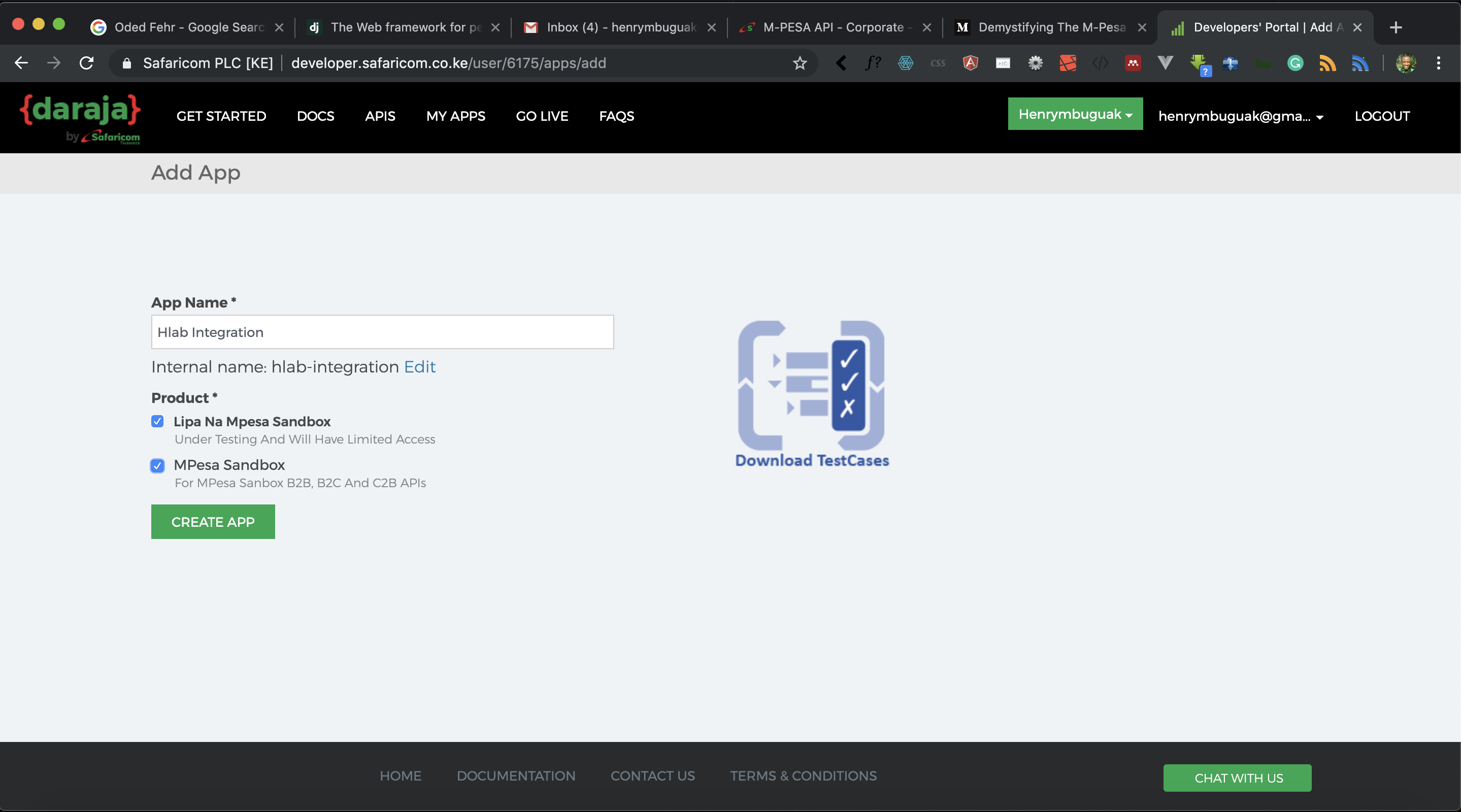
Start integrating the Safaricom M-Pesa Daraja API with Django 2.2: learn how M-Pesa works, create a developer account, and add a sandbox app.
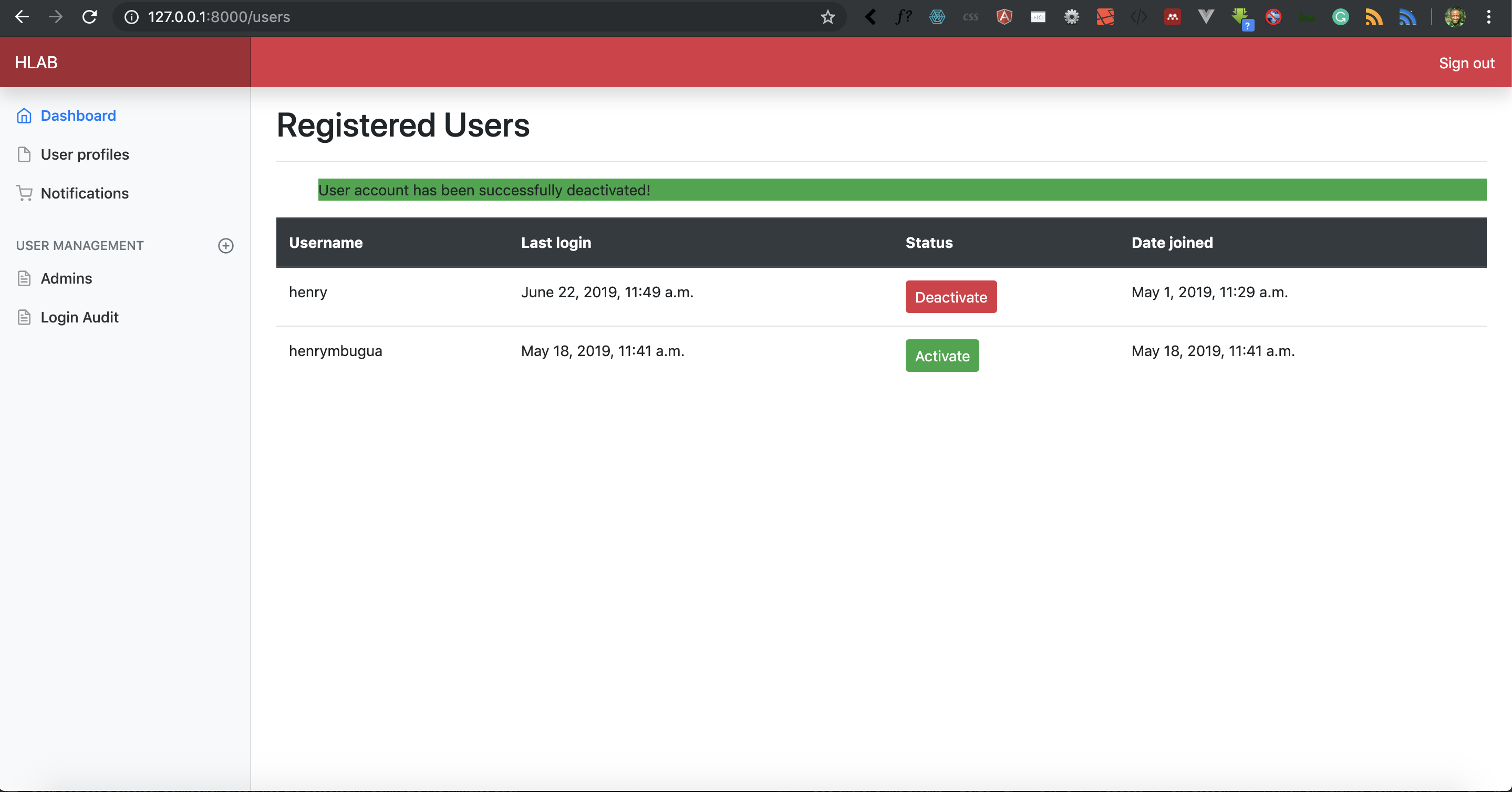
List registered users on a custom Django 2.2 dashboard, and let administrators activate or deactivate each account with a single click.
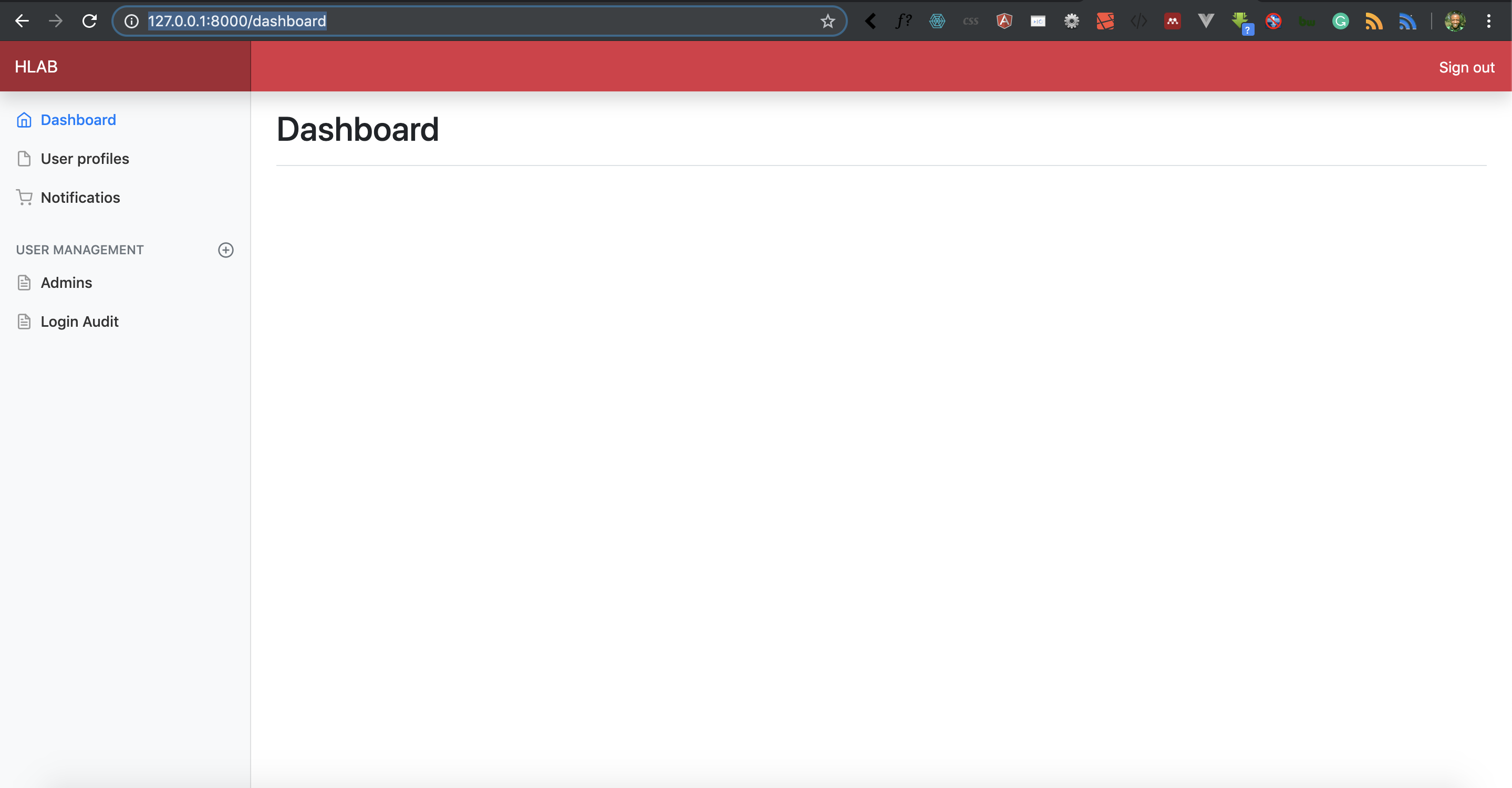
Build a custom dashboard in Django 2.2, redirect users there after they register, and add a sign-in view with the built-in authentication system.
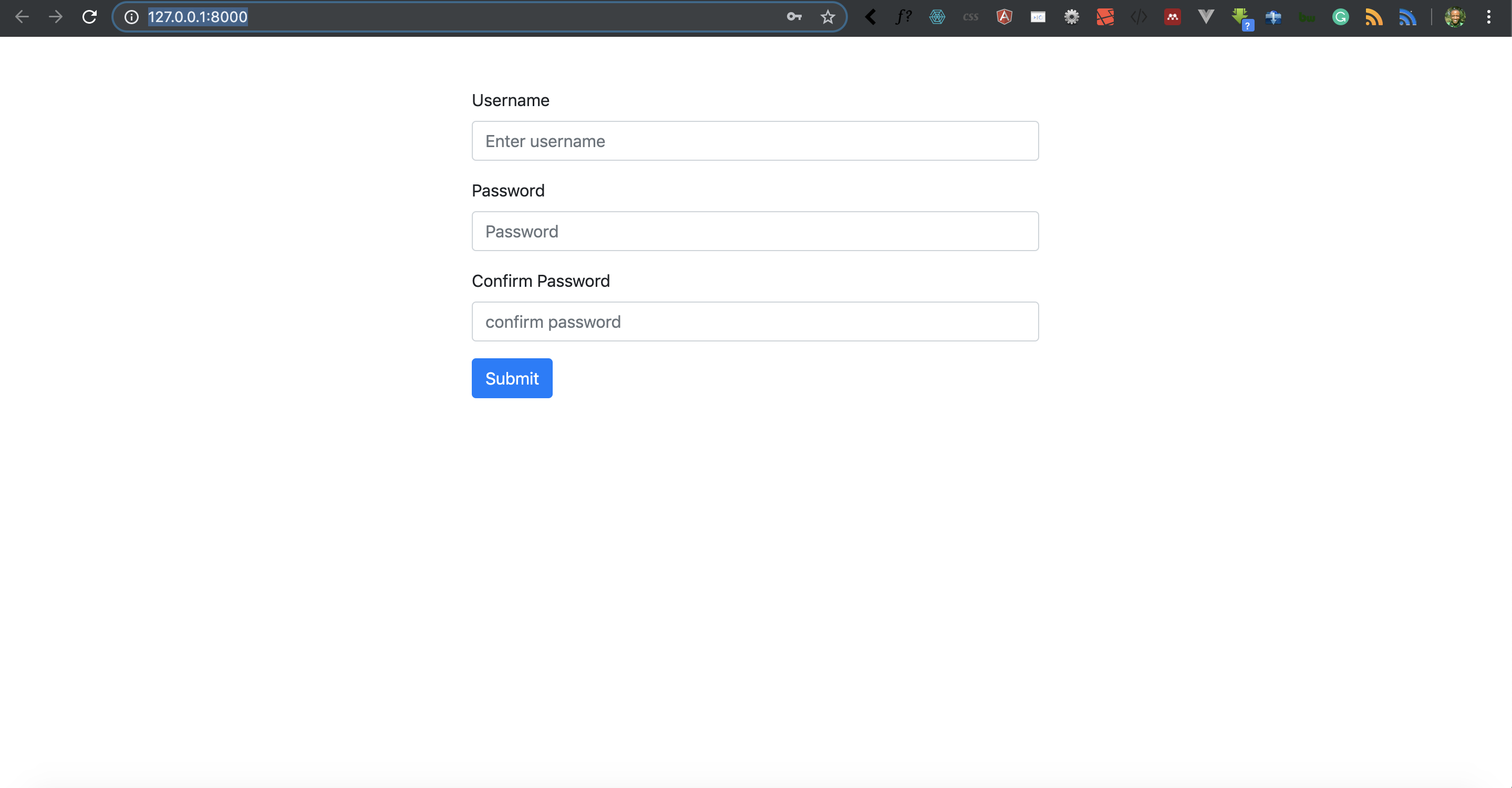
Style a Django 2.2 project with the Bootstrap front-end framework, and build a registration form that creates users with the built-in auth system.
Set up a Django 2.2 project and learn how the built-in authentication system handles user accounts, permissions, sessions, and passwords.
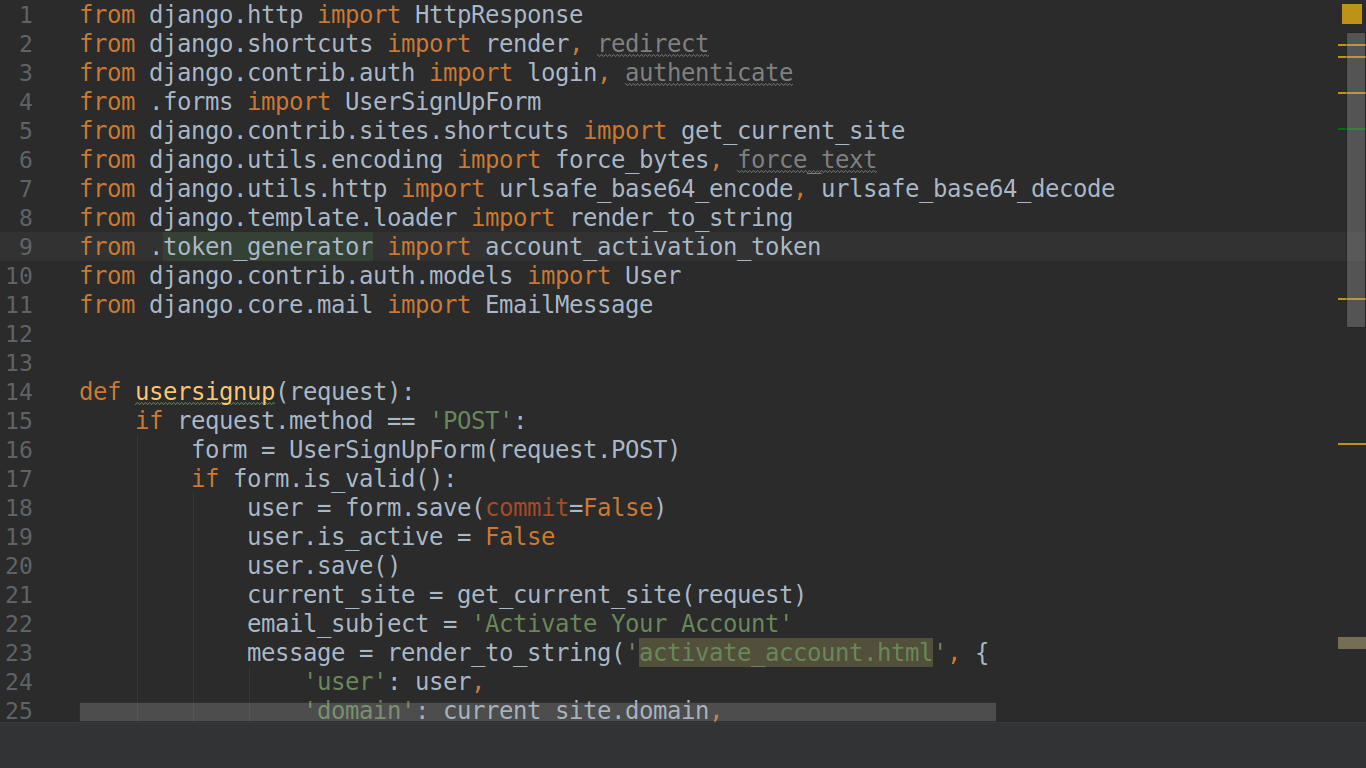
Build a Django 2.1 sign-up form that creates inactive accounts and emails each user a token link to confirm their address and activate the account.
Set up a Django 2.1 project for email verification on sign-up, and learn why confirming that users own their email address protects your application.